
How Texas Mobile Home Dealers Generate Buyer Leads in 2026 (What Actually Works)
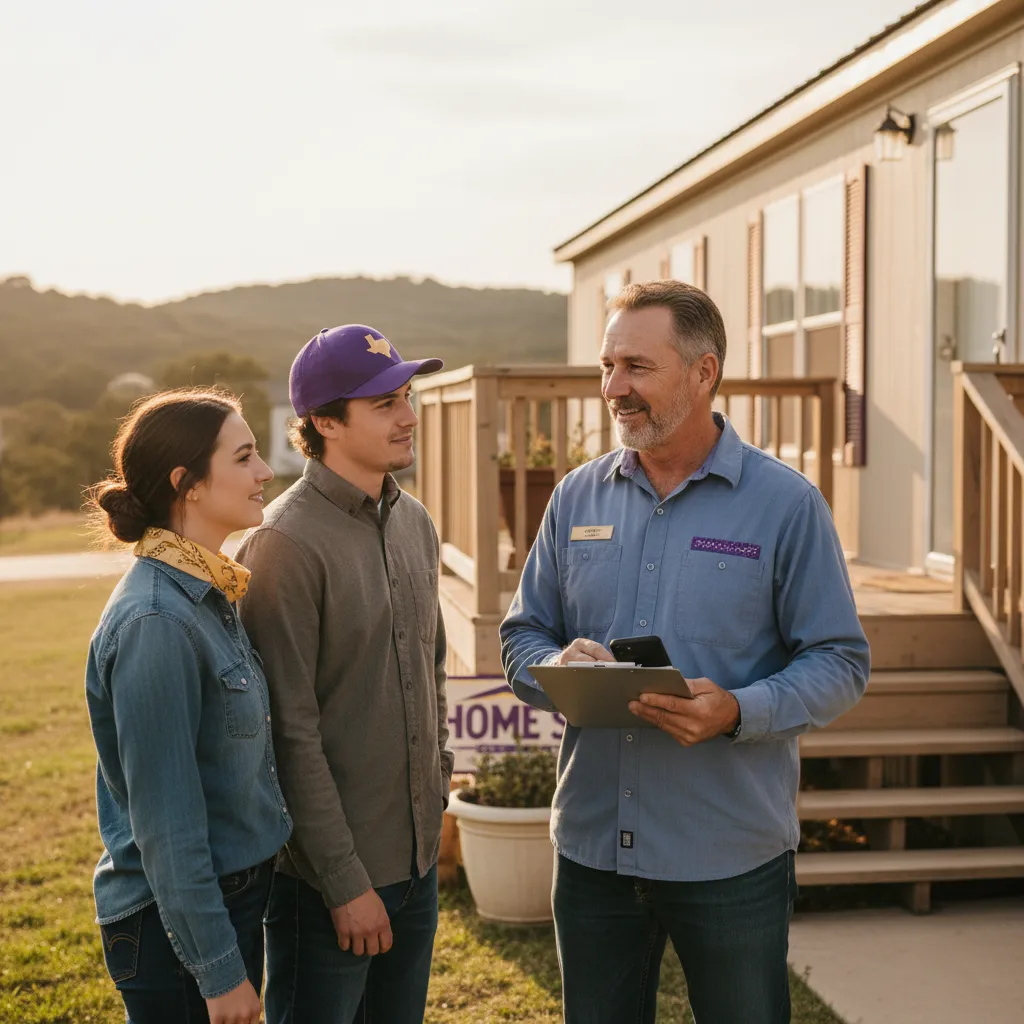
Lead generation for a Texas mobile home dealer in 2026 is not the same game it was in 2018. Walk-in traffic has dropped. Zillow and MHVillage eat a bigger share of high-intent buyer searches. Facebook is still a volume channel but requires sharper targeting than it used to. And AI-assisted follow-up has moved from "interesting" to "table stakes." This is the dealer's-eye view of what's working, what's wasted, and what a reasonable 2026 lead-gen mix looks like.
Quick Answer: The best buyer-lead mix for a Texas mobile home dealer in 2026 is 50–60% Meta lead ads for volume, 20–30% Google Search for high-intent buyers, plus a growing layer of community-manager referrals. Add AI-assisted follow-up and a 5–7 touch cadence to lift contact rate by 60–80%.
The Channel-by-Channel Breakdown
Dealers routinely ask which single channel is "best." The honest answer is that no single channel is self-sustaining at the sub-$100k buyer tier. Here's how the major options compare, measured by cost-per-lead (CPL), lead quality, and time to meaningful volume.
| Channel | Typical CPL | Lead Quality | Time to Volume | Best For |
|---|---|---|---|---|
| Meta (Facebook/Instagram) lead ads | $8–$30 | Medium | 24–72 hours | Filling the top of the funnel |
| Google Search ads | $25–$80 | High | 1–2 weeks | Ready-to-buy searches |
| Google Local Service Ads (LSA) | $40–$120 | High | 2–4 weeks | Dealers with strong reviews |
| MLS / portal syndication via flat-fee listing | Listing cost | High | Immediate (per home) | Listed inventory |
| Community-manager referrals | $0 + gift | Very high | 3–6 months | Long-term relationship |
| Cold door-knocking parks | Time only | Variable | Slow | Off-market acquisition |
| YouTube / TikTok organic | Time only | Medium | 6–18 months | Brand / long tail |
Meta Lead Ads: Still the Workhorse
Facebook and Instagram lead-form ads remain the fastest way to fill a Texas mobile home dealer's pipeline. What changed in 2024–2026 is that broad targeting now out-performs narrow interest stacks — Meta's algorithm does the targeting if you feed it good creative and a clear qualification question. Typical winning patterns:
- Short video (15–30 seconds) of an actual home being toured, not agency stock.
- Lead-form with 3–4 questions max (price range, timeline, area, credit band).
- ZIP-code targeting rings around your metros instead of statewide.
- Daily budgets $30–$100 per ad set so the algorithm gets meaningful data.
Meta CPL for Texas mobile home buyer leads has climbed from roughly $6–$12 in 2020 to $8–$30 in 2026. Lead quality is "medium" in the table for a reason — your follow-up system is what converts Meta leads into money.
Google Search: Where the Ready Buyer Lives
A buyer typing "mobile homes for sale under $60,000 Austin TX" into Google is closer to closing than a Meta scroller by a long way. Google Search ads cost more per click but convert meaningfully better on qualified keywords. Dealers winning on Google in 2026 are doing three things:
- Bidding on specific long-tail terms (size, price, city) rather than "mobile homes for sale Texas."
- Running dedicated landing pages for each campaign, not generic homepages.
- Using call-tracking so they can measure which keywords produce actual phone conversations.
Community-Manager Referrals: Slowest to Start, Best to Close
Every experienced Texas mobile home dealer eventually discovers the same thing: the calls that come directly from a park manager — "I've got someone moving in, call her" — close at 3–5x the rate of paid leads. The referral relationship is a 6–12 month build. Dealers who invest in it early by showing up, being fast, and remembering the manager at holidays own that channel forever.
AI-Powered Follow-Up: The Real Unlock in 2026
Cost-per-lead is less important than cost-per-contact. A lead that never actually talks to a human is a wasted ad dollar. This is where AI-assisted follow-up moved the industry in the last 18 months.
The public framework:
- Instant SMS inside 30 seconds of the form submission.
- AI voice for qualification + appointment setting during off-hours.
- Human takeover for pricing, walkthroughs, and negotiation.
- Structured 14-day follow-up cadence with 5–7 touches.
Dealers using this approach report contact-rate lifts of 40–80% over manual callback alone. The deeper implementation — which AI voice, which SMS copy, which call-routing rules, which CRM shape, which consent language — changes fast and is the part you pay for. Lead Systems Go's dealer-focused build packages all of that into a single stack.
Want a Texas-tested lead-gen + AI follow-up stack built for your dealership?
What Doesn't Work Anymore (or Never Did)
- Generic Facebook boosts without a lead form.
- Tiny ad budgets ($5–$15/day) spread across ten ad sets.
- Single-touch callback 4+ hours after inquiry.
- Buying "exclusive lead lists" from third parties with no source transparency.
- Print ads in shopper/penny-saver publications for the sub-$100k buyer (demographic mismatch).
- Ignoring Google Business Profile reviews while complaining about LSA performance.
A Reasonable 2026 Starting Mix
For a solo Texas dealer with a $3,000/month ad budget aiming for 3–5 closed deals per month:
- $1,500–$1,800 on Meta (60% of budget) split across 2 ad sets, broad targeting, lead-form
- $900–$1,200 on Google Search (30%) targeting long-tail buyer terms by metro
- $300–$500 on tooling (CRM, call-tracking, SMS platform, AI voice)
- Referral outreach to 3–5 park managers monthly (time, not money)
That mix typically produces 60–180 raw leads per month depending on metro and creative quality. With disciplined 5–7 touch follow-up, that's 15–40 meaningful conversations and 2–5 closes. Without disciplined follow-up, it's half of that or worse.
What to Read Next
For the bigger-picture operator view, our companion piece on running a mobile home buying business in Texas covers licensing, capital, and model selection. For the investment-focused read, see manufactured home investing in Texas. For timing exits and reading the resale market, our manufactured home resale value tips is the relevant guide.
Ready for a professional build?
Informational only — not legal, tax, financial, or real estate advice. Ad platform policies, compliance rules (TCPA, state telemarketing, CAN-SPAM), and channel economics change; verify current figures with TDHCA, platform documentation, or a compliance professional before acting.
Frequently Asked Questions
What is the best lead source for a Texas mobile home dealer?
There is no single best source — the winning mix in 2026 is Meta lead ads for volume plus Google Search for high-intent buyers plus community-manager referrals for the highest-closing rate. Solo dealers often run 50–60% of budget on Meta, 20–30% on Google, and grow referrals organically over 6–12 months.
How much should a Texas mobile home dealer spend on ads each month?
Most solo dealers start between $2,000 and $5,000 per month in combined ad spend. That typically produces 60–180 buyer leads at a $15–$50 average cost per lead, with 2–5 closed deals if follow-up is disciplined. Larger dealers scale past $15k/month once their closing process is standardized.
Are Google LSA ads worth it for mobile home dealers?
Local Service Ads can work for dealers in defined metros who already have Google Business Profile reviews and can respond to calls inside 90 seconds. Without strong reviews and fast pickup, LSA leads are expensive and convert poorly. Most new dealers should get Meta and Search working before adding LSA.
Can AI actually help follow up with buyer leads?
Yes — AI-assisted SMS, email, and voicemail-drop systems dramatically improve contact rate because they respond inside 60 seconds, which is when buyers are still engaged. The human still runs price conversations, walkthroughs, and closes. TCPA and Texas telemarketing rules still apply to every automated touch.
How many leads does a Texas dealer need to close one deal?
Well-run dealers with good follow-up close one deal for every 25–45 paid leads in the sub-$100k buyer tier. That ratio gets worse (75–120 leads per close) when follow-up is single-touch and stretches to 4–6 days after inquiry. Follow-up discipline, not lead volume, is usually the limiting factor.
Where should I start if I want professional help setting this up?
Lead Systems Go builds lead-generation and AI follow-up systems specifically for mobile home dealers. The exact ad creative, call-control rules, and CRM shape are part of a paid engagement; this article is the public framework.