
Manufactured Home Investing in Texas: A Beginner's Guide
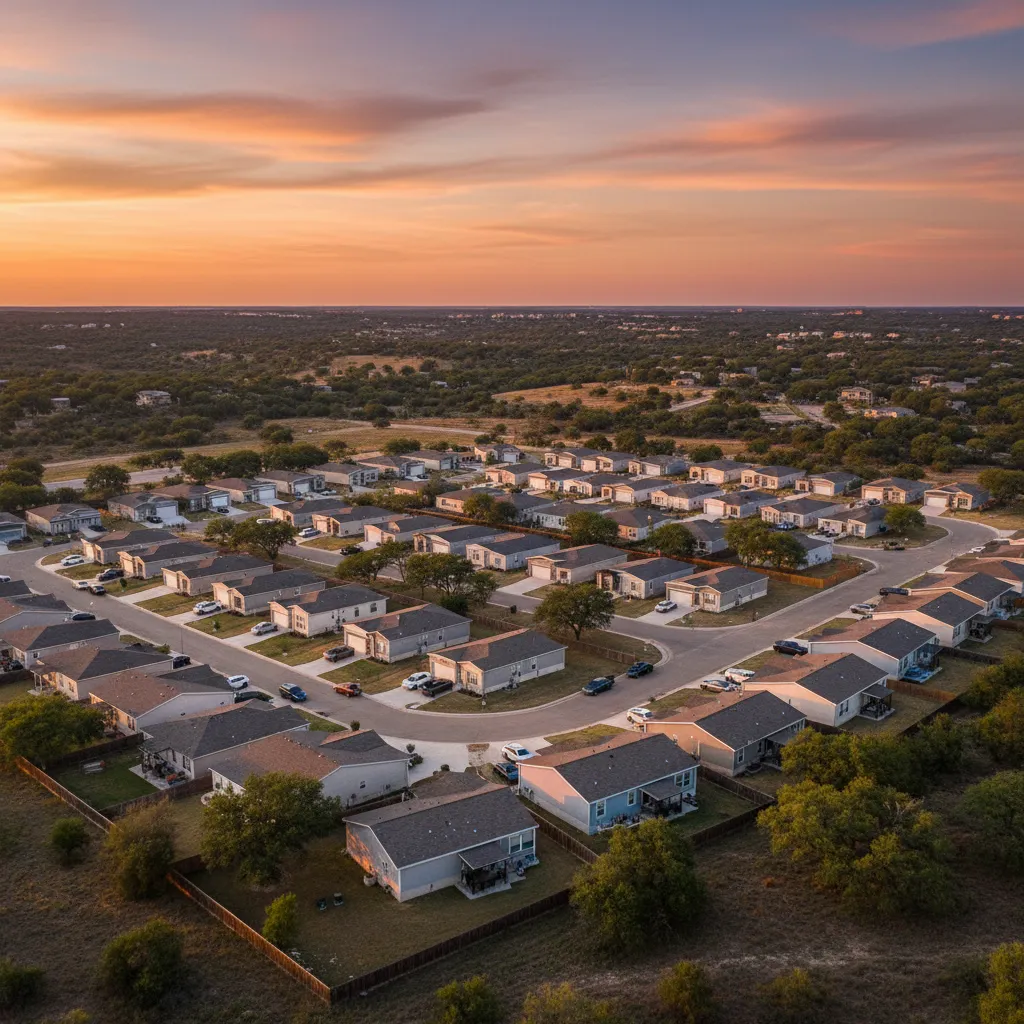
Manufactured homes are one of the last pockets of truly affordable real estate in Texas, which makes them fertile ground for investors willing to learn the rules. Cap rates run higher than conventional single-family, renter demand is strong across the Austin, San Antonio, and DFW corridors, and used inventory remains plentiful. But the regulatory overlay, specifically the federal SAFE Act and Texas Occupations Code Chapter 1201 administered by TDHCA, catches many new investors off guard. This guide covers the main strategies, realistic returns, and the legal floors you cannot cross.
TL;DR: The four common Texas strategies are buy-and-hold rentals, owner-finance resale (Lonnie deals), land-home buy-and-hold, and park ownership. The SAFE Act caps individual sellers at three owner-financed residential transactions per 12 months. TDHCA generally requires a manufactured housing retailer license once you are in the business of selling homes (the two-sales-in-12-months benchmark is the common trigger). Returns typically range from 12 to 20 percent cash-on-cash on rentals and higher on owner-finance deals.
Why Texas Is a Strong Market
Texas has more manufactured homes than any other state. Strong in-migration, limited affordable site-built inventory under $250,000, and a regulatory climate that permits manufactured homes in most rural counties combine to create steady tenant and buyer demand. The average cost to acquire a used single-wide in Texas remains under $50,000 in many markets, which keeps cash deals accessible for investors with modest capital.
Demand drivers that favor this asset class:
- Wages have not kept up with site-built home prices in most Texas metros
- Renter demand in manufactured home communities is consistently high
- Buyers priced out of $300,000+ homes actively shop manufactured housing
- Park ownership has grown 40 percent as an institutional asset class since 2018
The Four Main Strategies
1. Buy-and-Hold Rentals
Purchase a used manufactured home in a community or on land, then rent it out. Rents typically range from $900 to $1,600 per month on a single-wide and $1,400 to $2,200 on a doublewide in Texas metros. Your primary costs are lot rent if applicable, insurance, property taxes, and maintenance. Cash-on-cash returns of 12 to 20 percent are common when purchased correctly.
2. Owner-Finance Resale (Lonnie Deals)
Buy a used home at a discount, often in cash and often in a park, then sell to an end buyer with seller financing. A typical Lonnie deal might be: buy for $18,000, sell for $35,000 with $5,000 down and $500 per month for 72 months. Internal rates of return of 40 to 70 percent are realistic, but SAFE Act limits you to three owner-financed sales per 12 months without RMLO licensing.
3. Land-Home Buy-and-Hold
Acquire a parcel of land with a manufactured home already on it (or move a home onto land you own), convert to real property per TDHCA rules, and either rent or owner-finance. This strategy benefits from land appreciation in growth corridors and qualifies for standard real estate financing once converted. Our guide to park vs private land covers the tradeoffs.
4. Park (Community) Investing
Own the land and rent the lots (the tenants own the homes). Park investing is the most scalable of the four strategies, with stabilized Texas cap rates running roughly 6 to 9 percent and value-add opportunities pushing 10 percent or more. Entry requires significantly more capital, usually $1 million and up, plus commercial financing relationships.
Typical Returns Side by Side
| Strategy | Typical Capital | Return Range | Main Risk |
|---|---|---|---|
| Buy-and-hold rental | $25k to $80k per door | 12 to 20 percent cash-on-cash | Tenant damage, lot rent hikes |
| Owner-finance resale | $15k to $40k per deal | 40 to 70 percent IRR | SAFE Act, buyer default |
| Land-home | $100k to $300k | 8 to 15 percent cash-on-cash plus appreciation | Zoning, site work cost |
| Park ownership | $1M to $50M+ | 6 to 12 percent cap rate | Aging infrastructure, park sale |
The Texas SAFE Act and Owner Financing
The federal SAFE Act (Secure and Fair Enforcement for Mortgage Licensing Act of 2008), combined with Texas Finance Code Chapter 180, regulates who can originate residential mortgage loans. For investor purposes, the key rule is:
An individual seller can owner-finance a maximum of three residential properties in any 12-month period without becoming a licensed Residential Mortgage Loan Originator (RMLO). Entities (LLCs, trusts) generally cannot claim the three-transaction exemption and must use a licensed RMLO from the first deal.
There is also an additional federal carveout under Dodd-Frank for true "seller financing" of one property per year with looser requirements, but Texas investors planning to scale should assume:
- Up to 3 deals per year with compliant documents and basic buyer ability-to-repay analysis
- 4+ deals requires engaging a licensed RMLO to originate each loan, or becoming one yourself
- Every owner-financed sale to an owner-occupant must comply with ATR (Ability-to-Repay) rules and prohibitions on balloons, negative amortization, and prepayment penalties
Read the current CFPB guidance and consult a Texas real estate attorney before originating any owner-financed note. The rules are not intuitive.
TDHCA Retailer and Installer Licensing
The Texas Department of Housing and Community Affairs regulates manufactured home sales under Texas Occupations Code Chapter 1201. The licenses that affect investors:
- Retailer license: Required if you are in the business of selling manufactured homes to consumers. Industry practice treats two or more sales in a 12-month period as the trigger, though the statute uses "engaged in the business" language that can capture fewer sales if the pattern is clearly commercial.
- Broker license: Required if you represent buyers or sellers for compensation without taking title.
- Installer license: Required to install or move a manufactured home. Do not attempt to DIY an installation as an investor.
Buy-and-hold rental investors who do not sell generally do not need a retailer license, but if your business plan includes more than one sale per year, budget for the licensing process. The TDHCA Manufactured Housing Division publishes current application requirements and fees.
Risks New Investors Underestimate
Beyond regulatory compliance, new manufactured home investors commonly get burned by:
- Park sale risk. Your rental home sits in a park that can be sold or redeveloped, leaving you with a home and no lot. Always read the lease and understand the park owner's exit plans.
- Lot rent increases. A 5 percent annual lot rent hike can erode your cash flow fast. Model realistic rent growth into every pro forma.
- Title problems. A missing TDHCA Statement of Ownership can stall resale for months. Our breakdown of Texas manufactured home regulations covers title basics.
- Deferred maintenance. Older homes can hide roof, plumbing, or floor damage that destroys your return. Always inspect.
- Buyer default on owner-finance notes. Your downside is taking back a damaged home. Price that risk into the deal.
Our guide to what drives manufactured home value is required reading before your first offer, and our chattel loan guide explains financing options available to investors.
A Starter Playbook
- Pick one strategy and stay on it for 12 months. Mixing strategies before you have reps is how investors lose focus and money.
- Build a local inspector, title company, attorney, and handyman bench before you buy.
- Run every deal through a conservative pro forma with 10 percent vacancy, 15 percent maintenance, and 5 percent lot rent inflation.
- Keep owner-finance deals at three per year until you either license up or engage an RMLO.
- Track every home on a spreadsheet with Statement of Ownership status, HUD data plate info, and current inspection date.
Frequently Asked Questions
Do I need an LLC to invest in Texas manufactured homes?
You can invest in your personal name, but most investors use an LLC for liability protection once they own more than one property. Note that LLCs generally cannot use the three-transaction SAFE Act exemption, which is a meaningful constraint if you plan to owner-finance. A Texas real estate attorney can structure this correctly for your plan.
What credit score do I need?
Cash investors need no credit. For financed purchases, most investor-friendly chattel lenders want 650+ and non-owner-occupied rates typically run 2 to 4 points higher than owner-occupied. Our financing guide walks through options.
Are park-owned homes a good investment?
Buying a home in a park you do not own introduces park risk: eviction, lot rent changes, redevelopment. It can still work if the park is well-managed and the numbers are conservative, but most experienced investors prefer owned land or owning the park itself.
Can I wholesale manufactured homes in Texas?
Pure wholesaling of manufactured homes walks close to the TDHCA broker license line and, if contracts are assigned to consumers, the retailer license line. Investors who wholesale more than one or two per year typically need to be licensed or partnered with a licensed broker.
What is the minimum capital to get started?
Buy-and-hold in a park: $20,000 to $40,000 for your first home. Land-home: $100,000 or more once land, site work, and home are included. Owner-finance Lonnie deals: $15,000 to $25,000 per deal. Park ownership requires commercial capital relationships and typically $250,000+ in equity for a small park.
If you are scouting inventory in Central Texas, Mobile Buy Buy represents buyers (including investors) across the Austin metro and routinely surfaces off-market homes and parcels. Call (737) 777-9437 or submit a buyer inquiry and tell us what you are looking for. This article is educational only, not legal or financial advice.