
Energy Efficiency Upgrades for Older Manufactured Homes in Texas
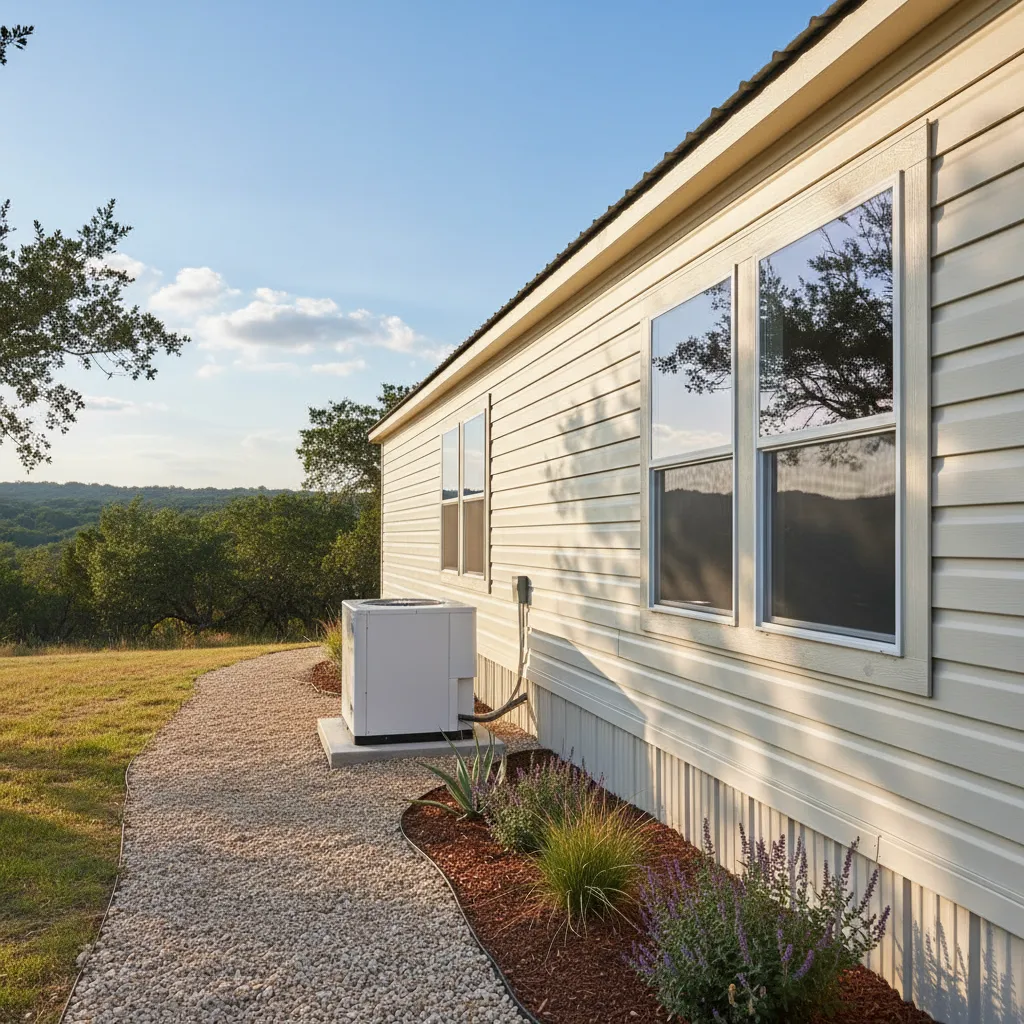
Older manufactured homes in Texas, especially those built before the 1994 thermal update to the HUD Code, commonly waste 30 to 50 percent more energy per square foot than modern site-built homes. The good news: a handful of targeted upgrades can cut electric bills by hundreds of dollars a year, and Texas offers free or rebated programs that pay for most of them. This guide ranks the upgrades that actually move the needle so you spend dollars where they matter.
TL;DR: Start with air sealing and belly insulation (biggest ROI, often free through TDHCA Weatherization). Then add a smart thermostat, upgrade attic insulation to R-30, and replace a failing HVAC with a properly sized heat pump or mini-split. Skip window replacement unless the windows are already broken.
Why Older Manufactured Homes Waste Energy
Pre-1976 mobile homes were built without any federal energy standards. The HUD Code kicked in June 15, 1976, but thermal envelope requirements were not meaningfully tightened until the 1994 update. A home built in 1985 can have 2x4 walls with R-11 batts, R-7 floors, and single-pane aluminum windows. Add shrunken belly wrap, leaky metal ductwork, and gaps around plumbing penetrations, and you have a house that bleeds conditioned air all year.
In the Texas climate, that leakage hits twice: your AC fights triple-digit summer heat, and your electric heat strips fight the occasional hard freeze. Both use the most expensive energy on your bill. Fixing the envelope lowers peak demand, which is where the dollars live.
Rank the Upgrades by ROI
Not every upgrade is worth doing. The table below shows typical costs and payback periods for a Texas manufactured home averaging 1,200 square feet with $180 per month electric bills.
| Upgrade | Typical cost | Annual savings | Payback |
|---|---|---|---|
| Air sealing (caulk, foam, duct mastic) | $200 to $600 DIY | $180 to $400 | Under 2 years |
| Smart thermostat | $120 to $250 | $80 to $180 | 1 to 2 years |
| Belly wrap and insulation repair | $1,500 to $4,000 | $240 to $500 | 6 to 10 years |
| Attic insulation to R-30 | $800 to $1,800 | $150 to $300 | 5 to 8 years |
| Duct sealing and re-insulation | $400 to $1,200 | $150 to $350 | 3 to 5 years |
| Heat pump or ductless mini-split | $4,500 to $9,000 | $500 to $1,200 | 7 to 12 years |
| Window film and weatherstripping | $150 to $500 | $80 to $200 | 2 to 4 years |
| Full window replacement | $6,000 to $12,000 | $150 to $300 | 20+ years |
Air Sealing First (Always)
Every energy auditor in the state will tell you the same thing: seal before you insulate. Insulation that sits on leaky gaps performs at a fraction of its rated R-value because air moves straight through it. In older manufactured homes, air leaks cluster in predictable places:
- Under sinks, around drain pipes, and around the water heater lines
- The marriage line on double-wides (the seam between halves)
- Around the dryer vent, bathroom fan, and range hood
- Ductwork joints, especially the floor register boots
- Electrical outlets and switches on exterior walls
- Torn, sagging, or animal-damaged belly wrap
A tube of high-quality silicone caulk, a can of low-expansion foam, and foil-backed HVAC mastic will handle 80 percent of the leaks in a weekend. This is a DIY project anyone can do, and pairs perfectly with the skirting upgrades covered in our manufactured home skirting guide.
Belly Insulation and Underbelly Repair
The floor of a manufactured home is the most-overlooked thermal boundary. Under every unit, there's a layer of fiberglass or rock wool insulation held in place by a black polyethylene belly wrap. Over decades, that wrap sags, tears, and becomes a highway for rodents and pests that then destroy the insulation above it.
If you can see daylight or drooping material from under the skirting, your belly is shot. Repairing the wrap and topping up insulation to R-19 or R-22 typically drops summer cooling costs by 15 to 25 percent. The Energy Star methodology for manufactured homes provides good target R-values for each climate zone.
HVAC: Heat Pumps Win in Texas
Older manufactured homes often came with electric furnaces paired with central AC, or a mix of wall heaters and window units. Both are expensive to run. A modern heat pump, or better yet a ductless mini-split system, can deliver the same comfort at 30 to 50 percent lower operating cost.
Mini-splits are especially attractive because they bypass the leaky metal ductwork found in older manufactured homes. A single 24,000 BTU outdoor unit can feed two or three indoor heads, conditioning an entire single-wide efficiently. For a double-wide, two outdoor units usually do the job. Plan on $4,500 to $9,000 installed for a complete Texas mini-split setup, before rebates.
Sizing Matters More Than Efficiency Rating
Most HVAC contractors oversize systems for manufactured homes because they use site-built rules of thumb. An oversized unit short-cycles, fails to dehumidify, and wears out fast. Insist on a Manual J calculation based on your actual square footage, insulation, and window area. A correctly sized SEER2 15 unit will outperform an oversized SEER2 18 unit every day of the year.
Windows, Doors, and Skirting
Full window replacement is the most tempting upgrade and usually the worst ROI. Unless the frames are rotted or the glass has failed seals, keep your windows and do the cheap interventions:
- Low-E window film: Rejects 60 to 80 percent of solar heat gain. $3 to $8 per square foot DIY.
- V-strip weatherstripping: Around movable sashes and entry doors. Under $30 per door or window.
- Cellular (honeycomb) blinds: Add roughly R-3 of insulation value at the window.
- Door sweeps and threshold seals: Crucial on older entry doors that have warped.
Skirting also plays an energy role. Insulated skirting panels or rigid foam behind vinyl skirting can lower winter heat loss by another 5 to 10 percent. Combine with proper ventilation to avoid moisture issues, a trade-off detailed in our resale value tips article.
Texas Rebates and Free Weatherization Programs
Texas has one of the strongest program stacks in the country for manufactured home energy upgrades. Stacking these can cover the majority of project cost.
- TDHCA Weatherization Assistance Program (WAP): Free air sealing, insulation, and limited HVAC repair for income-qualified households (200 percent of federal poverty level). Administered through local community action agencies.
- CenterPoint Energy rebates (Houston area): Up to $1,200 for heat pump upgrades, $50 to $150 for smart thermostats, and per-square-foot attic insulation rebates.
- Oncor Take a Load Off Texas program (North Texas): Free or discounted air sealing, duct sealing, and attic insulation for eligible homes.
- AEP Texas SMART Source program: Rebates on high-efficiency HVAC and water heaters for Central and South Texas service areas.
- IRA federal tax credits: Up to 30 percent back (capped per category) on heat pumps, insulation, and air sealing through 2032.
Start with the Texas State Energy Conservation Office and your utility's rebate portal. If your home is in ERCOT territory (most of Texas), check ERCOT demand-response programs that pay you to let the utility adjust your thermostat during grid stress events.
Putting a 12-Month Plan Together
If you just bought an older manufactured home, you don't need to do everything at once. Tackle upgrades in this order to compound savings:
- Month 1: DIY air sealing and a smart thermostat. Budget $300 to $500.
- Month 2-3: Apply for TDHCA Weatherization. If you qualify, they handle belly, attic, and duct work for free.
- Month 4-6: If you don't qualify for WAP, hire a contractor for duct sealing and attic top-up. Budget $1,500 to $2,500.
- Month 7-9: Install window film and upgrade weatherstripping. Budget $400 to $800.
- Month 10-12: If the HVAC is over 12 years old, plan for a heat pump or mini-split replacement before next summer. Budget $5,000 to $9,000 net of rebates.
A home inspection is a great time to spot these issues before closing. See our manufactured home inspection guide for what to flag.
Frequently Asked Questions
Do older manufactured homes use more electricity than newer ones?
Yes, typically 30 to 60 percent more per square foot. A 1985 single-wide in Central Texas commonly runs $180 to $250 per month in summer, while a 2018 Energy Star manufactured home of the same size runs $100 to $150. The gap closes fast once the older home is air sealed and has its belly and attic re-insulated.
Is it worth upgrading the electrical panel when doing energy work?
Only if you're adding a heat pump or EV charger and the existing panel is 100 amps or less. Most older manufactured homes came with 100-amp service, which is usually sufficient for a mini-split system. Upgrading to 200 amps costs $2,500 to $4,500 and does not reduce your bill, so only do it when the load actually requires it.
Will energy upgrades increase my manufactured home's resale value?
Yes, but modestly. Buyers notice low utility bills, and a new HVAC or visible attic insulation is a strong selling point. Expect to recover 50 to 70 percent of upgrade costs at resale, plus you get the monthly bill savings while you live there. Combine energy work with a fresh exterior and landscaping for the best return.
Can I qualify for TDHCA Weatherization if I rent my lot in a park?
Yes. The TDHCA Weatherization Assistance Program covers owner-occupied manufactured homes regardless of whether you own the land. The home itself must be your primary residence, you must meet the income guidelines, and park management typically has to allow the work.
Do solar panels make sense on a manufactured home roof?
Sometimes, but later. Solar installers often require structural engineering on manufactured home roofs, which adds $500 to $2,000 to a project. Fix the envelope first so you size a smaller, cheaper solar array. A leaky house with solar is still a leaky house.
Thinking about buying an older manufactured home and want to know what upgrades it will need before closing? Mobile Buy Buy tours homes with buyers every week and can point out the high-cost energy issues to negotiate down the price. Call (737) 777-9437 or start a buyer inquiry and we'll walk you through what's worth fixing and what isn't.