Often there's some room, but not on every home. Most of the sellers on our listings will look at a lower offer, especially a cash offer or one that names repairs the home really needs, and some won't come down at all. We take every offer to the seller, so the way to find out is to make one clear offer and tell us why you're offering that number.
What happens when a buyer offers less
In the past year, 59 buyers asked us whether a seller would take a lower price. Most asked after they'd seen the price, and many told us why: they could pay cash, or the home needed work. One buyer asked in Spanish for our best price, because the home had things to fix:
"cual es el mejor precio que usted nos daría por la casa ya que tiene detalles por arreglar"
The seller decides whether to take less, not us. Over the past year, the answers sellers sent back went every way:
- Some sellers accepted the lower offer.
- Some came down part of the way.
- Some held firm at their asking price.
- On one home, we told the buyer the price already had a big discount in it and we couldn't promise any more off.
So there's no typical discount we can quote you. It depends on the seller and on things a listing doesn't show, such as how soon they need the home sold.
What makes a seller open to a lower offer
- Cash. Sellers are often more open to a cash offer, because a cash buyer doesn't have to wait on a lender's approval. Have proof of funds ready to send when you make the offer.
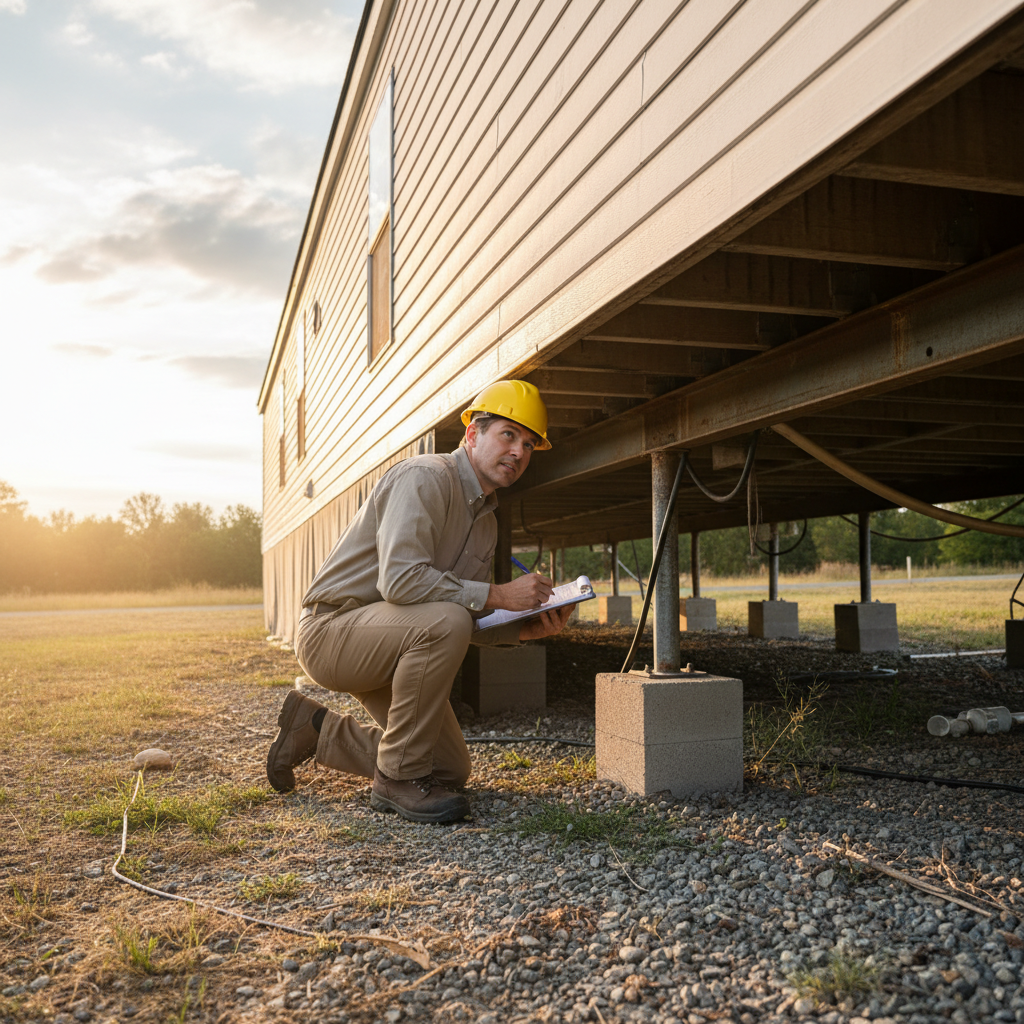
- Repairs you can name. Saying the home needs work gives the seller nothing to weigh. Naming the problem does, for example central air that doesn't work or a soft spot in the kitchen floor. Some sellers answer an offer like that with a lower price, and some offer to make the repair instead. If the listing already names a problem, the price may already allow for it: one of our listings says the home is priced to account for a roof that needs replacing. So point to anything you found that the listing doesn't mention.
- A seller who needs to sell soon. Some of our sellers need a quick sale. If the home is in a community, the seller keeps paying lot rent until the sale closes, so every month it sits costs them. When we've known a seller was eager to sell, we've told buyers it was worth making a lower offer.
How to make an offer the seller can answer
Asking for the seller's lowest price leaves them without a number to say yes or no to. Send us these together, in one message:
- The price you want to pay.
- How you'll pay: cash, or a loan. If it's a loan, say whether you've already talked to a lender.
- Your reasons, one by one, such as the repairs you saw.
- When you could close, or for a home that has to be moved, when you could move it.
If the seller won't come down
Then it's your call whether to pay the asking price or let the home go. If the price is more than you can spend, tell us your budget. We'll send homes in your range, which are often smaller or older, and we'll let you know when a new one comes in. You can also sort our listings by price, lowest first.
While you think it over, the home is still for sale. Until a purchase agreement is signed and a deposit is paid, the seller keeps showing it and may go with the first buyer who can pay. In one case, a buyer who was waiting to hear back learned that another buyer had asked first and was already working out a price with the seller.
Tell us what you're looking for
Tell us the area, the size and your budget. We'll send homes that fit, and when you find one you like, we'll take your offer to its seller.
Tell Us What You're Looking ForPrices, lot rents and community rules change, so check each listing for its current details. This article is for general education only. We aren't lawyers, accountants or financial advisors, and nothing here is legal, tax or financial advice of any kind.