
10 Tips for Buying a Manufactured Home in Texas
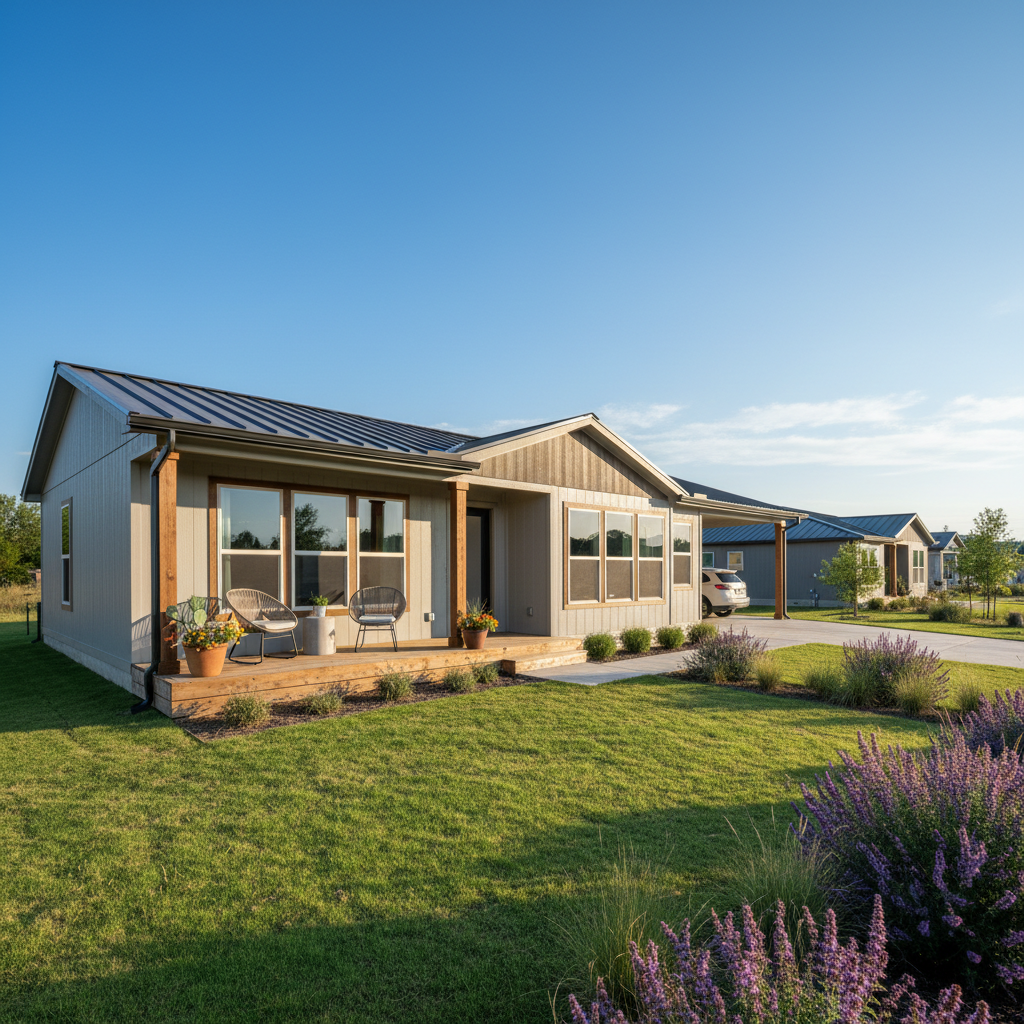
Buying a manufactured home in Texas is one of the smartest paths to affordable homeownership, but it comes with its own set of considerations that differ from traditional real estate. Whether you're a first-time buyer or adding to your investment portfolio, these ten tips will help you navigate the process with confidence.
1. Get a Professional Inspection
Never skip the home inspection, even if the home looks perfect on the surface. Manufactured homes have unique structural elements, including steel frames, axle systems, and specific foundation tie-down requirements. Hire an inspector who specializes in manufactured housing, as they'll know exactly what to look for under the home that a traditional inspector might miss. In Texas, the average manufactured home inspection costs between $300 and $500 and is well worth the investment.
2. Understand Your Financing Options
Manufactured home financing works differently depending on whether the home is classified as real property or personal property. If the home is permanently affixed to land you own, you may qualify for a conventional mortgage, FHA loan, or VA loan. If the home sits on leased land or in a community, you'll likely need a chattel loan. Interest rates on chattel loans tend to run 1-3% higher than conventional mortgages, so understanding your options upfront can save you thousands over the life of the loan.
3. Choose the Right Location
Location affects your manufactured home's value just as much as any traditional home. Consider proximity to your workplace, schools, shopping, and healthcare. In Texas, popular areas for manufactured housing include the outskirts of Austin, San Antonio, Houston, and the Dallas-Fort Worth metroplex, where land is more affordable but amenities are still accessible. If you're placing a home on private land, check county zoning regulations and any deed restrictions before purchasing.
4. Know Your Foundation Types
Texas has specific requirements for manufactured home foundations. The three main types are:
- Pier and beam — the most common and affordable option, using concrete blocks or steel piers
- Slab foundation — a poured concrete pad that provides excellent stability and may improve resale value
- Permanent foundation — required if you want to convert your manufactured home to real property for conventional mortgage financing
The Texas Department of Housing and Community Affairs (TDHCA) requires all installations to meet HUD standards, and the installer must be licensed by the state.
5. Run a Title Search
Manufactured homes have titles similar to vehicles, separate from land titles. Before buying, conduct a thorough title search through the Texas Department of Motor Vehicles (TxDMV) to verify clear ownership, check for outstanding liens, and confirm the home's HUD label and serial number. If the seller can't produce a clear title, walk away or consult an attorney. Title issues are one of the most common problems in manufactured home transactions.
6. Get the Right Insurance
Standard homeowner's insurance doesn't always cover manufactured homes. You'll need a policy specifically designed for manufactured or mobile homes. In Texas, this typically includes coverage for wind, hail, and hurricane damage, which is especially important in coastal and central regions. Expect to pay between $800 and $2,000 per year depending on your home's value, location, and age. Some lenders require specific coverage levels, so check with your lender before shopping for policies.
7. Consider Resale Value
Contrary to popular myth, manufactured homes don't always depreciate. Homes on permanent foundations with owned land have shown appreciation trends similar to traditional housing in many Texas markets. To protect your investment, look for newer homes (built after 2000 with updated HUD codes), choose locations in growing areas, and maintain the home well. Upgrades like energy-efficient windows, modern skirting, and landscaping can significantly boost resale value.
8. Read Community Rules Carefully
If you're placing your home in a manufactured home community, read the lease agreement and community rules thoroughly before signing. Pay attention to lot rent increases (some communities cap annual increases, others don't), pet policies, guest policies, home modification restrictions, and what happens if the community is sold. In Texas, the Manufactured Housing Division provides consumer protections, but your lease agreement is the primary document governing your tenancy.
9. Check the Warranty
New manufactured homes come with a one-year manufacturer's warranty required by HUD. Some manufacturers offer extended warranties, and third-party home warranty companies also cover manufactured homes. For used homes, ask the seller for any transferable warranty documentation. Even if the original warranty has expired, some structural warranties last up to ten years. Understanding what's covered, and what isn't, can save you from unexpected repair costs.
10. Work With a Manufactured Home Specialist
The biggest tip we can offer is to work with someone who specializes in manufactured homes. A general real estate agent may not understand the nuances of chattel versus real property transactions, TDHCA regulations, or manufactured home-specific inspection requirements. At Mobile Buy Buy, we specialize in buyer representation and guide you through every step of the process, from search to closing.
Ready to start your manufactured home search in Texas? Contact Mobile Buy Buy at (737) 777-9437 for expert buyer representation. We'll help you find the right home, negotiate the best price, and handle the paperwork from start to finish.