
Home Inspection for Manufactured Homes: What to Check
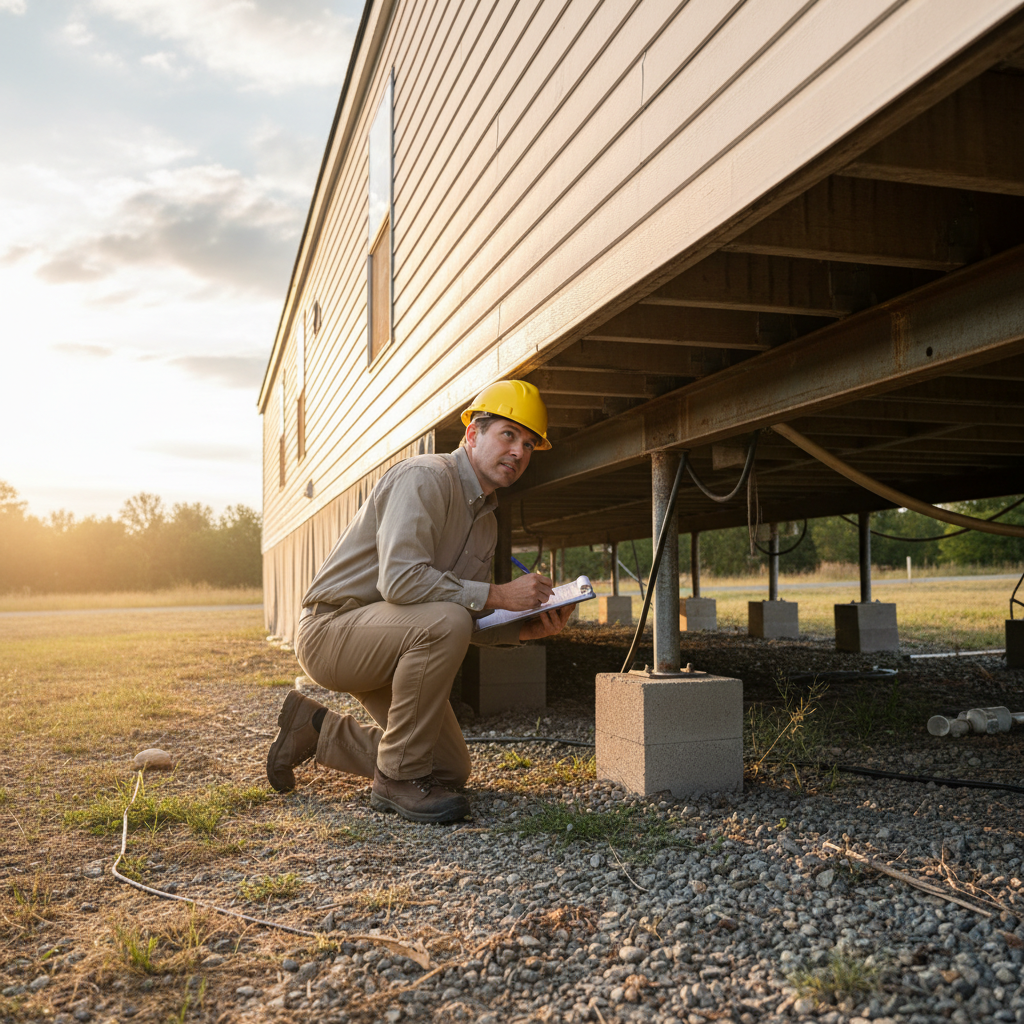
A thorough home inspection is one of the most important steps in buying a manufactured home. Unlike site-built homes, manufactured homes have unique construction methods, foundation systems, and potential issues that require specialized knowledge. Whether you're hiring a professional inspector or doing your own preliminary walkthrough, here's everything you should be checking.
Foundation and Anchoring
The foundation is literally the base of everything, and it's where many manufactured home problems originate. During inspection, look for:
- Level and plumb: The home should be level in all directions. Use a bubble level on countertops and window sills. Doors that swing open or closed on their own are a telltale sign the home isn't level.
- Pier condition: Check concrete blocks or steel piers for cracks, shifting, or settling. All piers should be making firm contact with the home's frame.
- Tie-down straps: Texas requires specific anchoring based on wind zones. Straps should be tight, free of rust, and properly connected to ground anchors. Missing or damaged straps are a serious safety issue.
- Skirting: While skirting is primarily cosmetic, it also protects the underside of the home from weather, pests, and debris. Check for damage, gaps, and proper ventilation openings.
- Frame condition: If accessible, inspect the steel I-beam frame for rust, bending, or damage. The frame is the structural backbone of the entire home.
Roof Inspection
Manufactured home roofs take a beating in Texas, where intense sun, hail, and high winds are common. Key checkpoints:
- Shingle condition: Look for missing, curling, or cracked shingles. In Texas, hail damage is common and may not be visible from ground level.
- Roof-over concerns: Some owners add a new roof over the existing one. While this can extend the roof's life, it can also hide underlying damage and add weight that wasn't part of the original design. Ask if a roof-over has been done.
- Flashing and seals: Check around vents, skylights, and where the roof meets walls for proper flashing and sealant. These are the most common leak points.
- Interior ceiling stains: Water stains on ceiling panels are a red flag for active or past roof leaks. Even if the leak has been repaired, water damage may have affected insulation or structural components.
- Gutters and drainage: Water should drain away from the home, not pool around the foundation.
Plumbing Systems
Manufactured homes use a combination of PEX, CPVC, and sometimes copper plumbing. Issues to look for:
- Water pressure: Turn on multiple faucets simultaneously and flush a toilet. Pressure should remain consistent. Low pressure could indicate pipe restrictions or supply problems.
- Under-sink inspection: Check all visible connections for leaks, corrosion, or improper repairs. Look for water damage on cabinet floors.
- Water heater: Note the age, condition, and capacity. A 40-gallon tank is standard for most manufactured homes. Check for rust at the base and proper venting.
- Drain function: Fill sinks and tubs, then drain them. Slow drains can indicate clogs or improper venting in the drain system.
- Belly wrap: The plastic underbelly of a manufactured home contains plumbing and ductwork. If it's sagging ("belly drag"), pipes may be stressed or disconnected.
Electrical System
Electrical issues are among the most serious concerns in any home inspection. For manufactured homes, pay attention to:
- Panel box: Open the main electrical panel and look for proper labeling, no signs of overheating (melted wires or discoloration), and appropriately sized breakers.
- Aluminum wiring: Some older manufactured homes (pre-1976) used aluminum wiring, which can be a fire hazard if not properly maintained. A qualified electrician should evaluate any aluminum wiring.
- GFCI outlets: Kitchens, bathrooms, and exterior outlets should have GFCI (Ground Fault Circuit Interrupter) protection. Test them using the test/reset buttons.
- Outlet testing: Use an outlet tester (available at any hardware store for under $15) to check every outlet for proper wiring, grounding, and polarity.
- Exterior connections: Where the utility power connects to the home, check for proper weatherproofing, secure connections, and appropriate wire gauge.
HVAC System
Heating and cooling are critical in Texas, where summer temperatures routinely exceed 100 degrees. Inspect:
- Age and condition: Most HVAC systems last 12-15 years. Note the manufacture date on the unit and factor replacement costs into your budget if it's nearing end of life.
- Operation test: Run both heating and cooling modes. The system should cycle on smoothly, produce the correct temperature air, and not make unusual noises.
- Ductwork: In manufactured homes, much of the ductwork runs beneath the floor in the belly wrap. Disconnected or damaged ducts are common and lead to significant energy loss. Check for air flow from all vents.
- Filter and maintenance: A clean filter and evidence of regular maintenance suggest the system has been well cared for.
- Thermostat accuracy: Verify that the thermostat reads accurately and communicates properly with the HVAC unit.
Moisture and Mold
Texas humidity combined with manufactured home construction can create moisture problems. Check these areas carefully:
- Bathroom ventilation: Ensure exhaust fans work and vent to the exterior, not into the attic space or belly.
- Window condensation: Excessive condensation between window panes indicates seal failure. Condensation on interior surfaces suggests ventilation problems.
- Musty odors: Trust your nose. Persistent musty or earthy smells often indicate hidden mold growth.
- Under the home: Check for standing water, moisture on the ground barrier, or visible mold on the belly board or frame components.
- Closets and corners: These low-airflow areas are prime spots for mold growth. Look for discoloration on walls, ceilings, and flooring.
Appliances and Built-ins
Test every appliance that comes with the home:
- Stove/oven: All burners and the oven should heat properly
- Refrigerator: Should maintain consistent temperature and the ice maker (if equipped) should work
- Dishwasher: Run a full cycle and check for leaks
- Washer/dryer hookups: Verify hot and cold water supply, proper drainage, and correct electrical or gas connections
- Garbage disposal: Should operate smoothly without leaks
Structural Integrity
Beyond the foundation, check the home's overall structural condition:
- Walls: Look for cracks, bulges, or soft spots that could indicate water damage or structural movement
- Floors: Walk every room and feel for soft spots, squeaks, or unevenness. Soft floors near bathrooms or kitchens often indicate water damage from plumbing leaks.
- Marriage line: In double-wide homes, inspect the center seam where the two halves meet. Look for gaps, uneven surfaces, or visible separation in the ceiling, walls, and floor.
- Windows and doors: All should open and close smoothly. Difficulty operating them may indicate the home has shifted or settled unevenly.
What Inspectors Often Miss
Even professional inspectors sometimes overlook these manufactured home-specific issues:
- HUD data plate and labels: Every manufactured home should have a HUD data plate (usually in a kitchen cabinet or utility closet) and HUD certification labels on the exterior. Missing labels can cause title and financing problems.
- Belly board condition: The plastic underbelly is often not thoroughly inspected but can hide significant plumbing and ductwork issues.
- Crossover duct connections: In double-wides, the ductwork connection at the marriage line frequently separates, wasting energy and reducing comfort.
- Improper additions: Rooms, porches, or carports added after installation may not meet code or may be attached in ways that damage the home's structure.
Need help finding a qualified manufactured home inspector in Texas? Mobile Buy Buy can recommend inspectors who specialize in manufactured housing and know exactly what to look for. Call (737) 777-9437 for a referral.