
Do Manufactured Homes Depreciate? The Truth About Value
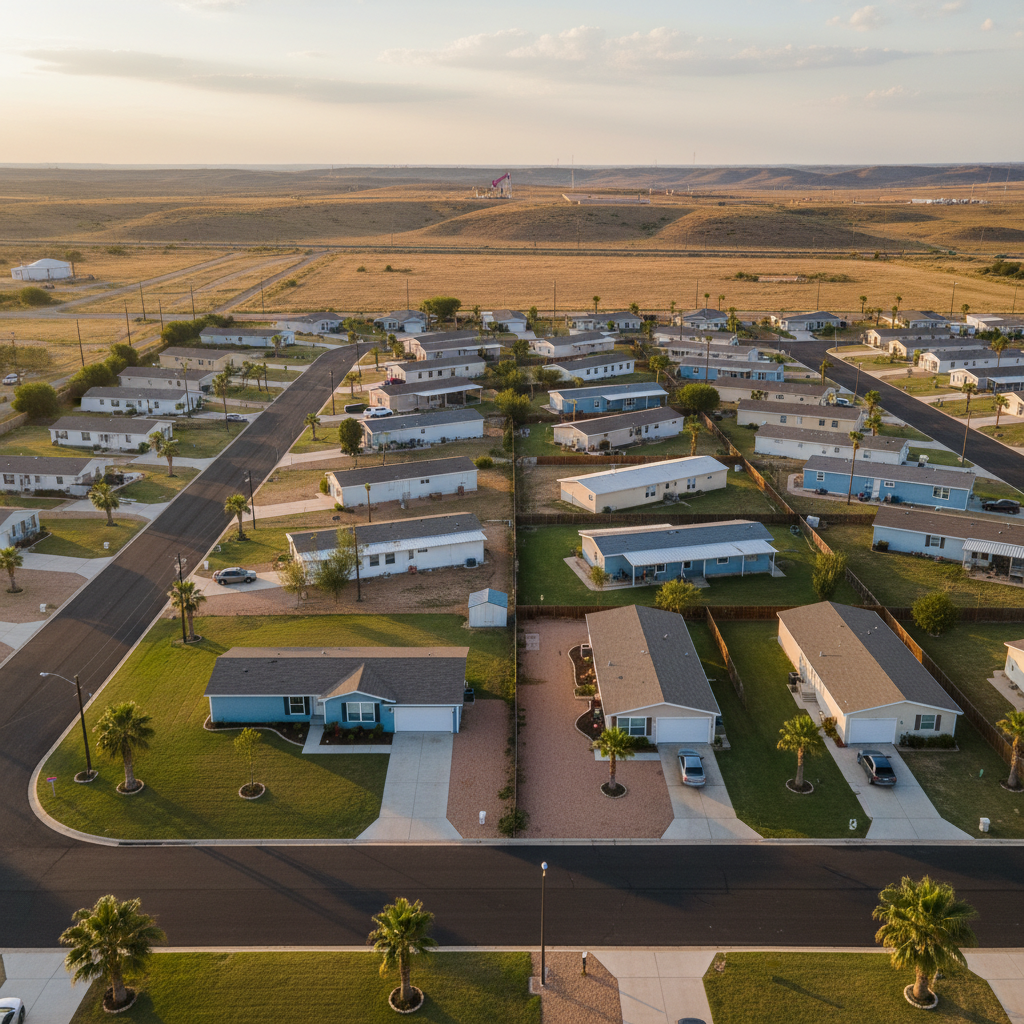
One of the most persistent myths in real estate is that manufactured homes always lose value. This belief has discouraged countless potential buyers from considering manufactured housing as a viable path to homeownership. But the reality is far more nuanced than the myth suggests, especially in a high-growth state like Texas.
The Depreciation Myth: Where It Comes From
The idea that manufactured homes depreciate like cars has its roots in outdated data. Before 1976, "mobile homes" were built with minimal federal standards, and many of them did lose value rapidly due to poor construction quality. However, the HUD Code established in 1976 and significantly updated in 1994 and 2000 fundamentally changed manufacturing standards. Modern manufactured homes are built to rigorous safety and quality specifications that rival site-built construction.
Despite these improvements, the stigma persists. Lenders, appraisers, and even some real estate agents still view manufactured homes through this outdated lens, which can create a self-fulfilling cycle where limited financing options and biased appraisals artificially suppress values.
The Single Biggest Factor: Land Ownership
Research consistently shows that the most significant factor in whether a manufactured home appreciates or depreciates is whether the owner also owns the land beneath it. According to data from the Consumer Financial Protection Bureau and the Manufactured Housing Institute:
- With owned land: Manufactured homes on permanent foundations with owned land appreciate at rates similar to site-built homes in the same area, typically 3-5% annually in growing Texas markets.
- Without owned land (leased lot / community): Depreciation follows a curve very similar to a new car — front-loaded in the first few years, then steadily slowing.
This makes intuitive sense. When you own the land, your home is classified as real property and benefits from the same market forces that drive traditional real estate appreciation, including location demand, infrastructure development, and population growth.
The Real Depreciation Curve on Leased Land (Why We Recommend Used)
This is the single most misunderstood part of manufactured home value. At Mobile Buy Buy, we track real Texas community sales every month, and the pattern is extremely consistent. A new manufactured home placed on leased lot land depreciates much like a brand-new car — and that is exactly why we almost always recommend buying used.
Here is the curve we see in Texas communities for a home on a leased lot:
| Time After Purchase | Annual Depreciation | What's Happening |
|---|---|---|
| Year 1 | ~10% | The "drove off the lot" hit. Same as a new car. |
| Years 2-5 | 5-7% per year | Heavy depreciation continues, but starts to taper. |
| Years 6-9 | 3-5% per year | Depreciation slows significantly as the worst is past. |
| Year 10 | Step-down | Most homes take a noticeable drop around the 10-year mark (lender appetite, perception, warranty expiration). |
| Year 11+ | ~3-5% per year, often less | Steady, slow depreciation. Well-maintained homes can stabilize entirely. |
The math is brutal on a new home. A $90,000 new singlewide placed in a community can be worth roughly $81,000 after one year, around $63,000-$68,000 after five years, and $50,000 or less by year ten — even in great condition. The buyer who steps in at year 3-5 picks up the same home for 30-40% less and then rides out the much gentler portion of the curve.
Run the Numbers Yourself
Plug in any home's year built and original price to see its estimated value today, in 10 years, and in 20 years — and how renovations change the trajectory.
Open Depreciation Calculator →This is why our default recommendation at Mobile Buy Buy is simple: buy used, not new, when you're placing a home in a community. You get more square footage, more upgrades, and a far better dollar-per-year-of-ownership outcome. Have questions about a specific home or community? Send us your buyer inquiry and we'll pull comparable sales for you.
Other Factors That Affect Value
Age and Condition
Like any home, maintenance matters enormously. A well-maintained 15-year-old manufactured home can hold its value far better than a neglected five-year-old one. Regular upkeep of the roof, plumbing, HVAC system, and exterior skirting protects your investment. In Texas, the intense heat and occasional severe weather make roof maintenance and proper insulation especially important.
Foundation Type
Homes on permanent foundations are eligible for conventional financing, which opens the door to a larger pool of buyers when you sell. A permanent foundation in Texas costs $5,000 to $15,000 but can increase your home's value by $15,000 to $30,000 or more by expanding buyer access and improving perceived quality.
Location and Market Trends
Texas is one of the fastest-growing states in the country, and that growth drives housing demand across all segments. Areas around Austin, San Antonio, Houston, and the DFW metroplex have seen strong appreciation even for manufactured homes, particularly those on owned land. Rural areas with stable or declining populations may see slower appreciation or mild depreciation.
Home Quality and Upgrades
Modern manufactured homes come in a wide range of quality levels. Higher-end models with features like drywall ceilings, hardwood-style flooring, energy-efficient appliances, and architectural shingles hold their value much better than basic models. Strategic upgrades that provide the best return on investment include:
- Energy-efficient windows and doors
- Updated kitchen countertops and fixtures
- Modern skirting (vinyl or concrete block)
- Landscaping and exterior improvements
- Smart home features like programmable thermostats
Texas Market Trends in 2026
The Texas manufactured housing market is experiencing a period of strong fundamentals. Several factors are driving values upward:
- Housing affordability crisis: As traditional home prices continue to climb, manufactured homes are attracting buyers who would previously have pursued site-built homes, increasing demand and supporting prices.
- Population growth: Texas added over 470,000 new residents in 2025, and many are looking for affordable housing options in suburban and exurban areas where manufactured homes are prevalent.
- Improved lending options: More lenders are offering competitive rates for manufactured homes, particularly those on permanent foundations, which improves buyer access and supports values.
- Construction quality: Today's manufactured homes are virtually indistinguishable from site-built homes in many cases, shifting public perception and increasing willingness to pay market rates.
Protecting Your Investment
If you want your manufactured home to hold or gain value, follow these principles:
- Buy on owned land when possible: This is the single most impactful step for long-term value.
- Install a permanent foundation: It converts your home to real property and opens up conventional financing for future buyers.
- Maintain religiously: Address repairs promptly and keep the home clean and updated.
- Choose growing areas: Buy where population and job growth are trending upward.
- Buy quality: A mid-range or higher-end manufactured home will hold value better than the cheapest option available.
Want to know what manufactured homes are selling for in your area? Contact Mobile Buy Buy at (737) 777-9437 for a free market analysis and expert guidance on protecting your investment.